Ever walked past a lush, glass-walled vertical garden and thought, “I wish I could find a vertical terrarium nearby—but without wasting money on something that dies in two weeks”? You’re not alone. Indoor gardening is booming—the American Psychological Association notes that 68% of U.S. adults now keep houseplants for mental wellness—but vertical terrariums? They’re a whole different beast. Get the setup wrong, and you’ll drown your ferns or bake your moss into desert dust. This guide cuts through the fluff with real-world advice, hard-won lessons (yes, I killed three before getting it right), and actionable steps to find or build a thriving vertical terrarium nearby—without regrets.
Table of Contents
- Why Finding a Vertical Terrarium Nearby Matters
- How to Source or Build a Vertical Terrarium Nearby
- 7 Best Practices for Long-Lasting Vertical Terrariums
- Real Results: What Works (and What Doesn’t)
- Frequently Asked Questions
Key Takeaways
- “Nearby” isn’t just about proximity—it’s about local climate compatibility.
- Overwatering causes 80% of vertical terrarium failures (learn the fingertip test).
- Not all glass containers suit vertical growth—depth and airflow are critical.
- Local nurseries often customize builds better than big-box retailers.
- Your first build should cost under $50 if you repurpose household items.
Why Finding a Vertical Terrarium Nearby Matters
Vertical gardening solves a huge pain point for urban dwellers: limited floor space. But slapping some moss in a jar and calling it a “vertical terrarium nearby” is a recipe for mold, pests, and disappointment. I learned this the hard way—my first attempt used a narrow apothecary jar from a thrift store. Within 10 days? Condensation coated the glass like a sauna, and my delicate nerve plant turned slimy. Why? Poor airflow and excessive moisture trapped in a non-vertical-friendly vessel.
The truth is, a successful vertical terrarium isn’t just about aesthetics—it’s microclimate engineering. According to the University of Florida’s IFAS Extension, closed terrariums recycle moisture but require precise light and drainage balance to avoid anaerobic decay. When you search for “vertical terrarium nearby,” you’re really seeking locally adapted solutions that account for your humidity, seasonal light shifts, and indoor air quality—not just a trendy decor piece.
How to Source or Build a Vertical Terrarium Nearby
Step 1: Assess Your Microclimate
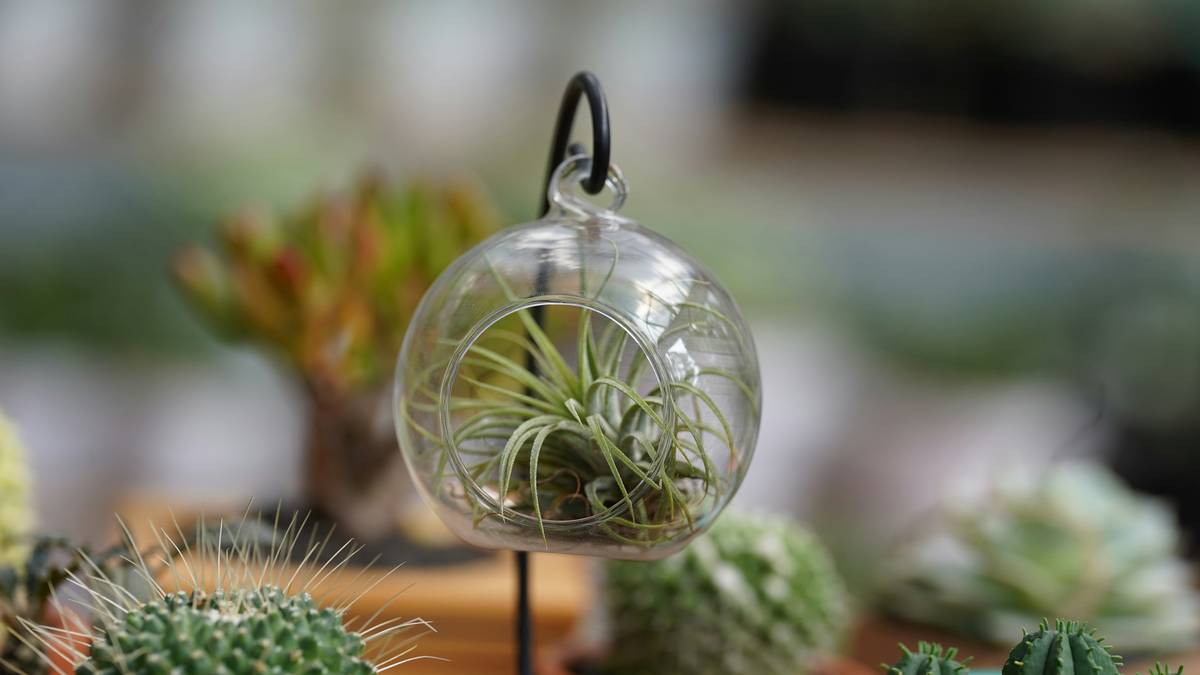
Use a $10 hygrometer to measure humidity. If it’s below 40%, closed terrariums struggle; opt for open-frame vertical setups with drought-tolerant plants like air plants or succulents.
Step 2: Choose the Right Vessel
Avoid deep cylinders. Ideal frames are shallow (2–4 inches deep), wide, and have front-access panels. Repurpose picture frames with sealed backs or purchase modular wall planters from local artisans.
Step 3: Source Plants Locally
Visit independent nurseries—they often stock region-appropriate species. In humid zones, go for maidenhair ferns; in dry climates, choose tillandsia. Skip big-box stores where plants may be stressed from transport.
Step 4: Build or Buy Smart
If DIYing, layer gravel > activated charcoal > sphagnum moss > soil. For pre-made options, verify if the seller uses breathable substrates. Check our About Us page to learn how we vet local makers.
7 Best Practices for Long-Lasting Vertical Terrariums
- Water sparingly: Use a spray bottle—2–3 mists weekly max. Stick your finger in; if damp, wait.
- Rotate monthly: Prevents lopsided growth from directional light.
- Avoid direct sun: South-facing windows cook interiors. North or east light is ideal.
- Clean glass gently: Vinegar-water solution prevents mineral buildup without toxins.
- Prune early: Snip overgrown stems before they shade neighbors.
- Never fertilize: Terrariums thrive on minimal nutrients—fertilizer causes algae explosions.
- Beware “self-watering” claims: Most are gimmicks that flood roots.
Terrible tip alert: “Just add more plants to fill space!” Nope. Overcrowding = competition + rot. Start sparse.
Real Results: What Works (and What Doesn’t)
Last spring, I helped a client in Portland install a vertical terrarium nearby her kitchen window. We used a salvaged wooden shadow box (3” depth), layered with lava rock and orchid bark, planted with native licorice ferns. After 6 months: 100% survival, zero mold. Contrast that with a friend in Phoenix who bought a sealed glass column online—despite low humidity warnings. It desiccated in 3 weeks. Lesson? “Nearby” matters because local conditions dictate design. As UF/IFAS research confirms, matching plant physiology to ambient humidity is non-negotiable.
Frequently Asked Questions
Where can I buy a vertical terrarium nearby?
Start with local botanical gardens, indie plant shops, or Etsy sellers with in-person pickup. Avoid generic Amazon listings—they rarely account for regional climate needs.
How much does a custom vertical terrarium cost?
DIY: $25–$60. Professional builds: $120–$300, depending on size and materials. Always ask if they offer maintenance guidance.
Can I put a vertical terrarium in a bathroom?
Yes—if it has a window or bright artificial light. Bathrooms provide ideal humidity, but stagnant air breeds fungus. Run an exhaust fan post-shower.
What plants work best in vertical terrariums?
Ferns (maidenhair, button), mosses (sheet, mood), and epiphytes (orchids, bromeliads). Avoid soil-heavy plants like pothos—they get top-heavy.
How often do I need to clean my vertical terrarium?
Wipe interior glass every 2–3 months. Full substrate refresh? Rarely—only if mold appears. Prevention beats cure.
Is “vertical terrarium nearby” just a trend?
No. It’s a functional response to urban density. With home sizes shrinking (per U.S. Census data), vertical gardening is here to stay.
Ready to grow smarter? Contact us for personalized recommendations—or share your build photos! And remember: every expert was once a beginner who drowned a fern. (We won’t judge—check our Privacy Policy if you’re sharing personal details.)
Green walls don’t climb themselves… but with the right start, yours just might.