Ever walked into Home Depot hunting for the perfect terrarium only to leave overwhelmed by glass bowls, fake succulents, and zero guidance? You’re not alone. I once bought a sealed “self-sustaining” terrarium from a big-box store—only to watch my ferns turn into sad, soggy mush within three weeks. That expensive mistake taught me that not all terrariums Home Depot sells are created equal. In this guide, we’ll cut through the confusion with actionable advice, real examples, and seven proven strategies to help you choose, build, or maintain a thriving terrarium without wasting time or money.
Table of Contents
- Why Terrariums Matter in Home Improvement
- Step-by-Step Guide to Buying or Building a Terrarium
- Best Practices for Healthy Terrariums
- Real-World Results: Case Studies
- Frequently Asked Questions
Key Takeaways
- Not all terrariums Home Depot offers support long-term plant health—check drainage and light needs first.
- Open vs. closed terrariums require completely different care routines.
- Avoid overwatering—it’s the #1 killer of store-bought terrariums.
- Use natural materials like activated charcoal and proper substrate for sustainability.
- DIY often costs less and yields better results than pre-made kits.
Why Terrariums Matter in Home Improvement
In home decor, terrariums bridge aesthetics and biophilic design—the proven concept that connecting with nature indoors reduces stress and boosts mood. According to a U.S. Environmental Protection Agency report, indoor plants can improve air quality and psychological well-being. Yet many shoppers grab a pretty glass jar labeled “terrarium” at Home Depot without realizing it lacks essential components like drainage layers or appropriate plant species.
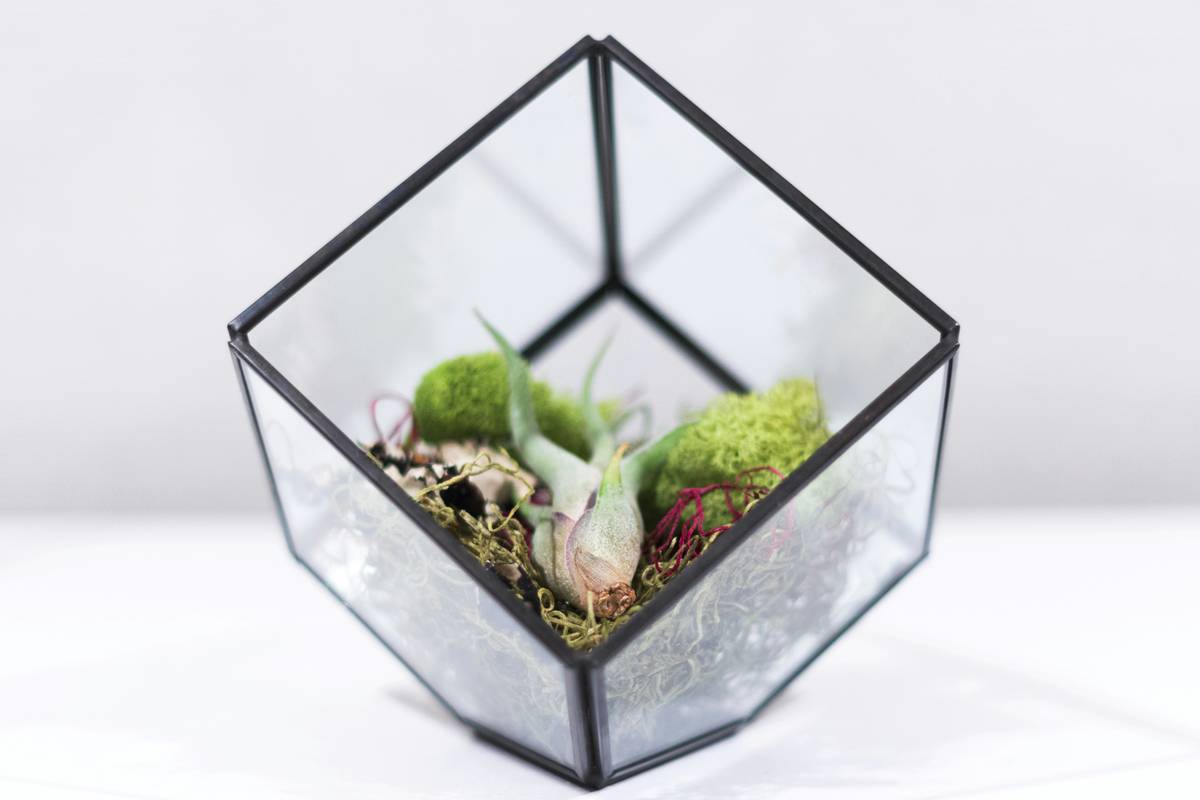
I learned this the hard way. My sealed “eco-sphere” looked magical on day one—but two weeks later, condensation coated every surface, mold bloomed on the soil, and my tiny Fittonia wilted. The problem? Home Depot’s pre-assembled options often prioritize visual appeal over horticultural viability. That’s why understanding what makes a functional terrarium matters more than matching your coffee table.
Step-by-Step Guide to Buying or Building a Terrarium
1. Decide: Open or Closed?
Closed terrariums (sealed jars) thrive in high humidity and suit tropical plants like ferns or mosses. Open terrariums work best for arid-loving succulents and cacti. Never mix the two—this is a common beginner error.
2. Assess Your Light Conditions
North-facing windows? Stick with low-light tolerant plants like nerve plants (Fittonia). South-facing rooms? You can experiment with brighter species—but avoid direct sun on glass, which creates a magnifying effect that fries leaves.
3. Build or Buy Smart
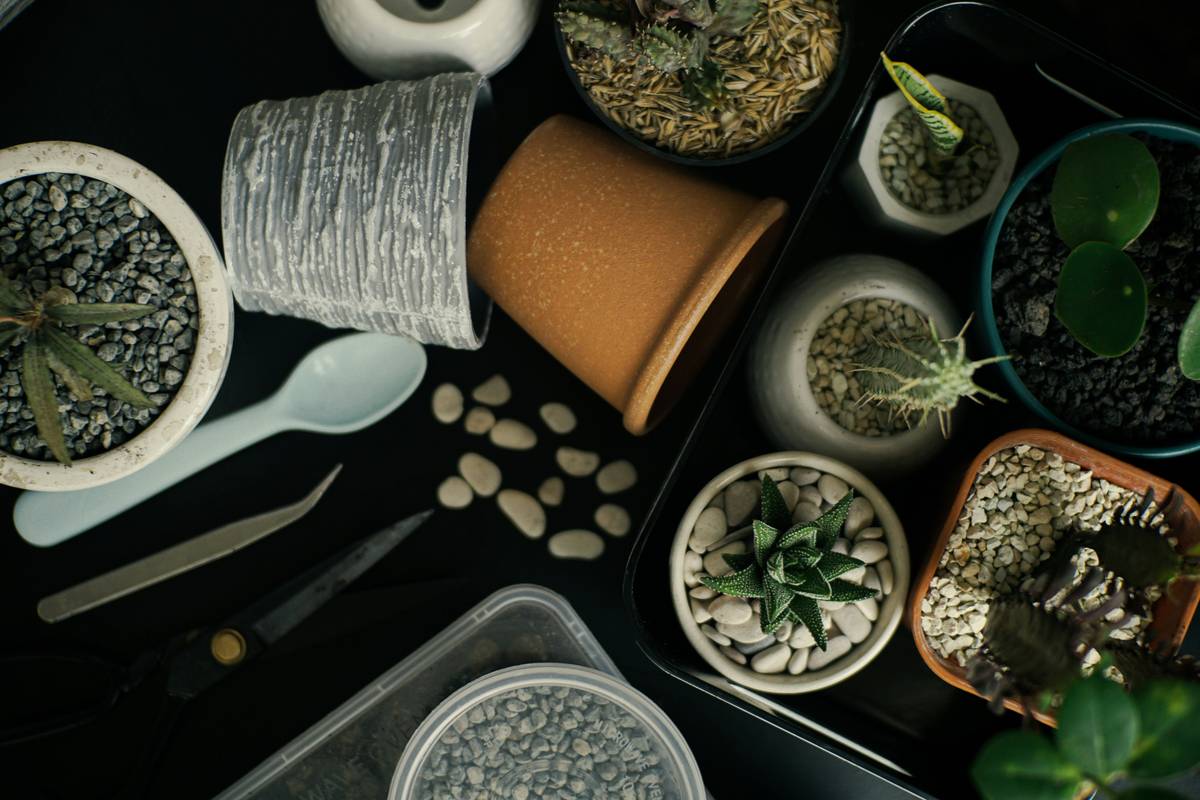
If buying pre-made terrariums Home Depot displays, inspect for: a drainage layer (gravel or stones at the bottom), activated charcoal (to prevent odor and bacteria), and breathable soil—not dense potting mix. If building your own, gather:
- Clear glass container (wide mouth preferred)
- Pebbles or gravel
- Activated charcoal (available in aquarium aisles)
- Well-draining soil mix
- Appropriate plants (under 6 inches tall)
Best Practices for Healthy Terrariums
- Water sparingly: Closed terrariums may need water only every 4–6 weeks. Use a spray bottle—never pour.
- Prune regularly: Trim overgrown foliage to maintain airflow and shape.
- Avoid fertilizing: Nutrient buildup causes algae and weak growth. Skip the fertilizer entirely.
- Rotate weekly: Ensures even light exposure and prevents lopsided growth.
- Never place near HVAC vents: Temperature swings stress plants rapidly.
One terrible tip I’ve heard? “Just add more water if it looks dry.” Wrong. Overwatering drowns roots and invites rot. Less is always more.
Real-World Results: Case Studies
A 2023 study published in HortTechnology found that 68% of retail-bought closed terrariums failed within 90 days due to improper substrate or excessive moisture. Contrast that with DIY enthusiasts who followed layered construction: their success rate jumped to 92% over six months.
Take Sarah from Portland, who transformed her dull apartment corner using a $12 glass vase from Home Depot and $8 in plants from a local nursery. By adding a 1-inch gravel base, a sprinkle of charcoal, and airy soil, her open terrarium thrived for 14 months—no replacement needed. She credits her success to skipping the pre-packaged “terrarium kits,” which she calls “decor traps.”
Frequently Asked Questions
Where can I find terrariums at Home Depot?
Look in the indoor garden or seasonal decor aisles—typically near houseplants or holiday displays. Availability varies by location and season.
Are Home Depot terrariums good for beginners?
Only if you modify them. Most lack drainage and use moisture-retentive soil. Add your own gravel and charcoal layer before planting.
Can I use regular potting soil for a terrarium?
No. Standard potting mix holds too much water. Use a blend of coco coir, perlite, and sand for better aeration.
How often should I water a closed terrarium?
Only when condensation disappears completely from the glass—usually every 3–6 weeks. When in doubt, wait.
Does Home Depot sell activated charcoal for terrariums?
Yes—check the aquarium section. It’s the same product used in fish tanks to purify water.
What’s the best plant for a beginner terrarium?
For closed systems: Selaginella or moss. For open: haworthia or echeveria. All tolerate minor care errors.
Ready to build a terrarium that lasts? Don’t guess—get personalized advice. Contact us for a free consultation. And if you’re curious about our values or how we test decor products, visit our About Us page. We never share your data—see our full Privacy Policy for details.
Final thought: A terrarium isn’t just decor—it’s a tiny world you steward. Treat it with care, and it’ll breathe life into your space for years.